
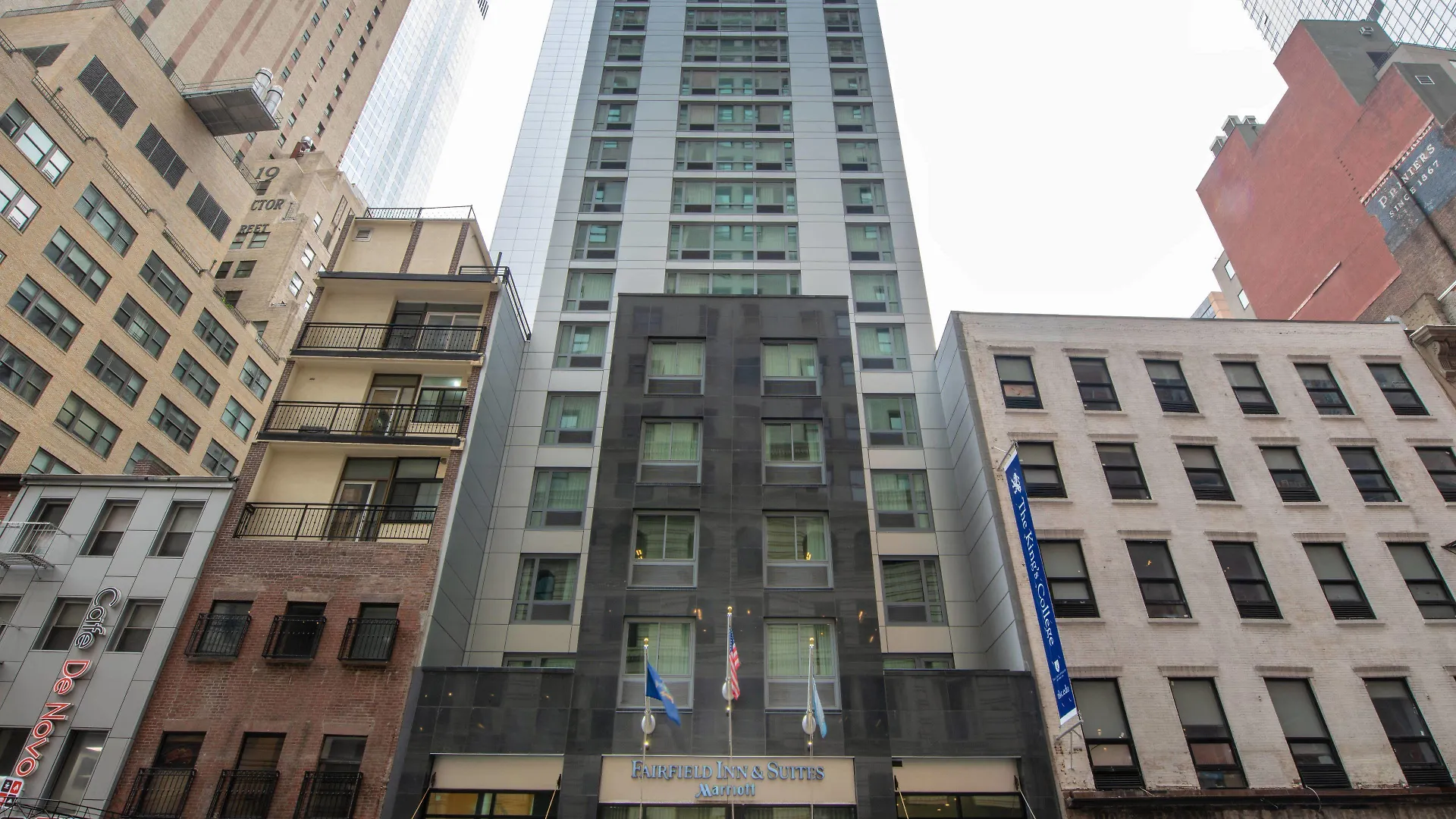
Lower Manhattan packs Wall Street, the 9/11 Memorial, One World Trade Center, and the Brooklyn Bridge ferry terminal into a dense, walkable grid - and Courtyard by Marriott has a consistent presence across it. This guide breaks down all four Courtyard properties available in and around Lower Manhattan, covering exact positioning, what each hotel actually delivers, and how to decide which one fits your itinerary.
What It's Like Staying in Lower Manhattan
Lower Manhattan operates on a schedule unlike Midtown: streets that buzz with financial district commuters from Monday to Friday go noticeably quiet on weekend mornings, which means far less sidewalk congestion if you're sightseeing Saturday or Sunday. The subway network here is exceptionally dense, with the 1, 2, 3, 4, 5, A, C, E, J, Z, and R lines all accessible within a short walk from most hotels, making it easy to reach Midtown in under 20 minutes. The trade-off is that dining and nightlife options thin out significantly after 9 PM on weekdays, so travelers who want a lively evening scene will need to head north.
Pros:
- Walking distance to major landmarks: the 9/11 Memorial, One World Trade Center, Wall Street, and the Staten Island Ferry terminal are all within 15 minutes on foot from the Financial District core
- Lower hotel rates compared to Midtown, with savings often reaching around 25% for equivalent brand-standard properties
- Weekend crowd levels drop sharply, giving you open sidewalks and shorter museum queues at the 9/11 Memorial
Cons:
- Restaurant and bar options shrink considerably after evening hours, especially on weeknights
- The area feels noticeably less lively than Midtown or the West Village, which can feel isolating for first-time visitors expecting a buzzing neighborhood
- Getting to popular Midtown attractions like Times Square or Central Park requires subway time, adding planning overhead to each day
Why Choose a Courtyard by Marriott in Lower Manhattan
Courtyard by Marriott properties in this corridor consistently deliver reliable room standards - ergonomic workspaces, flat-screen TVs, decent bathroom sizing - without the unpredictability of independent hotels. All four properties include free WiFi and on-site fitness centers, which matters when you're running a packed itinerary and need consistent connectivity. Compared to full-service Marriott or luxury boutique options in the same zip codes, Courtyard rates typically land around 30% lower, while the Bonvoy points earn rate stays intact for loyalty members.
Pros:
- Marriott Bonvoy points accumulate across all four properties, useful for frequent travelers already within the loyalty ecosystem
- Consistent room quality and brand standards across locations mean fewer surprises on arrival
- On-site restaurants or food outlets at each property reduce dependency on the neighborhood's limited late-night dining
Cons:
- Rooms tend to run smaller than what the brand delivers in suburban U.S. markets - New York City square footage norms apply
- The brand sits at a 3-star positioning, so premium amenities like concierge service, valet, or spa facilities are largely absent
- Business district locations mean some properties feel corporate rather than experiential, with lobbies designed for transit rather than lingering
Practical Booking & Area Strategy
The Financial District core - particularly the blocks surrounding Liberty Street, Fulton Street, and Church Street - puts you within a genuine 5-minute walk of the 9/11 Memorial and One World Observatory, making positioning here the strongest for visitors whose itinerary centers on Lower Manhattan landmarks. If your trip includes frequent Midtown visits, staying near a 2/3 express subway line significantly cuts travel time; the ride from Fulton Street to Times Square-42nd Street runs around 20 minutes. Book at least 6 weeks ahead for summer stays (June through August), when occupancy across Lower Manhattan hotels spikes due to tourist volume and corporate summer associate programs running simultaneously. The area is safe and well-lit at night, though foot traffic on Financial District side streets drops sharply after 10 PM - factor this in if you plan late arrivals. Brooklyn Bridge and the Staten Island Ferry (free, with skyline views) are both within walking distance, adding no-cost activity options that many travelers underuse.
Best Value Stays
These two properties offer direct access to Lower Manhattan's core landmarks at Courtyard's standard 3-star positioning, with strong transport connectivity and on-site amenities that reduce the need to go far for basics.
-
1. Courtyard By Marriott New York World Trade Center Area
Show on map


 Check-infrom 15:00 until 23:59Check-outuntil 11:00
Just a few rooms left at the best rate!
fromUS$ 128
-
2. Courtyard New York Downtown Manhattan/Financial District
Show on map


 Check-infrom 15:00 until 23:59Check-outuntil 12:00
Just a few rooms left at the best rate!
fromUS$ 116
Best Premium Options
These two Courtyard properties sit outside the Financial District core but offer distinct location advantages - SoHo and Chelsea positioning with strong transit access - making them the better picks for travelers whose itinerary extends well beyond Lower Manhattan.
-
3. Courtyard New York Manhattan/SoHo
Show on map


 Check-infrom 15:00 until 23:59Check-outuntil 12:00
Hurry – almost gone at this price!
fromUS$ 140
-
4. Courtyard By Marriott New York Manhattan/Chelsea
Show on map


 Check-infrom 16:00 until 23:59Check-outuntil 12:00
Rooms filling fast – secure the best rate!
fromUS$ 224
Smart Travel & Timing Advice for Lower Manhattan
Lower Manhattan's pricing and crowd patterns follow a predictable annual curve. September and October deliver the best balance of comfortable temperatures, manageable tourist crowds, and stable hotel rates - a significant improvement over the summer peak when 9/11 Memorial queues lengthen and hotel occupancy pushes rates up across the board. January and February are the quietest months in the Financial District, with noticeably lower nightly rates, but the neighborhood empties even further on weekends, and outdoor exploration becomes less appealing. For the 9/11 Memorial specifically, the September 11 anniversary date sees heavy crowds and heightened security - if your dates overlap, book accommodation well in advance and expect longer entry queues. A minimum of 3 nights makes the Lower Manhattan base worthwhile; shorter stays rarely allow enough time to cover the Memorial, One World Observatory, the Staten Island Ferry skyline crossing, and at least one trip into Midtown without feeling rushed. Last-minute bookings are rarely advantageous here - corporate demand keeps weeknight occupancy consistently high year-round, and leisure demand fills weekends in spring and summer.


